
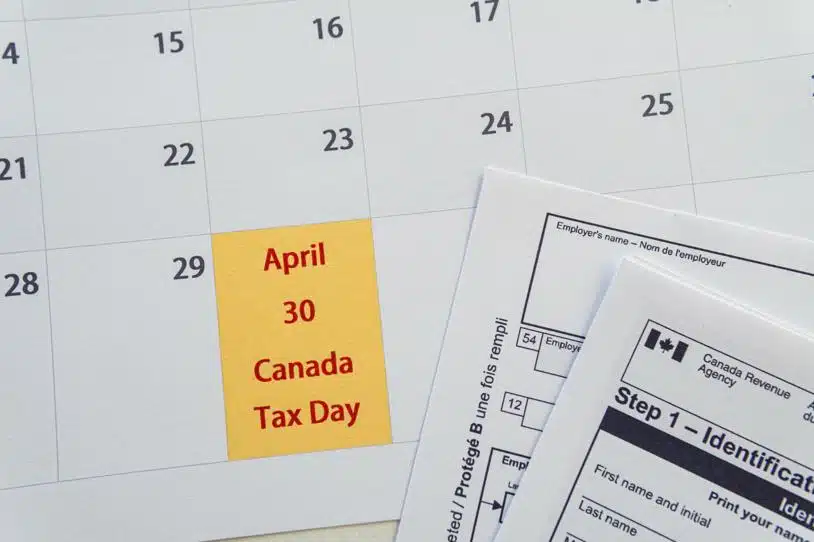
Tax planning is a continuous process, and understanding legislative updates can help individuals and business owners reduce avoidable tax liabilities. This summary highlights key federal tax changes for 2025. It is not exhaustive, and taxpayers should consult an experienced Canadian tax lawyer for advice tailored to their specific circumstances.
Reduction of the Lowest Federal Personal Income Tax Rate
The federal marginal income tax rate for the lowest tax bracket decreases from 15% to 14% starting July 1, 2025.
First-Time Homebuyer GST/HST Relief
A proposed measure would eliminate GST on qualifying new home purchases up to $1 million and reduce GST/HST for homes priced up to $1.5 million.
CRA Voluntary Disclosure Program (VDP) Changes
Effective October 1, 2025, key updates to the Voluntary Disclosure Program include expanded eligibility, simplified Form RC199, and revised lookback periods for foreign, domestic, and non-compliance with GST/HST return rules.
Increase in the Basic Personal Amount
The federal Basic Personal Amount for 2025 is $16,129 for individuals with net income up to $177,882 and gradually reduces thereafter.
Automatic CRA Filing for Eligible Lower‑Income Canadians (Updated)
According to federal announcements and CRA consultations, automatic return filing will begin for certain lower-income Canadians for the 2026 taxation year, meaning returns filed in 2027, and will expand nationally through phased implementation.
Business Electronic Filing and T619 Modernization
CRA enhancements now provide improved digital validation and consolidated electronic return processing.
TFSA Limit Increase
The 2025 TFSA contribution limit is $7,000. Eligible Canadians who have never contributed may have up to $102,000 in total contribution room.
CPP Income Sharing
Spouses and common-law partners may share Canada Pension Plan retirement benefits to reduce taxable income.
CPP Maximum Pensionable Earnings Increase
The 2025 CPP maximum pensionable earnings rises to $71,300, with contributions maintained at 5.95% for employees and employers.
CPP2 Additional Maximum Pensionable Earnings
The second-tier CPP contribution threshold increases to $81,200, with additional contributions at 4%.
RRSP Deduction Limits and Contributions
The 2025 RRSP deduction limit is the lower of $32,490 or 18% of 2024 earned income, with unused room carried forward.
RRIF Conversion Requirements
RRSPs must be converted to a RRIF or annuity by age 71, with mandatory minimum withdrawals thereafter.
Employment Insurance Premiums
The 2025 maximum insurable earnings increase to $65,700, with a premium rate of 1.64% federally and 1.31% in Quebec.
Old Age Security Income Recovery Threshold
OAS benefits begin to be reduced once income exceeds $93,454 in 2025.
Fuel Charge Reduction to Zero
As of April 1, 2025, federal fuel charge rates fall to zero, eliminating related carbon tax rebate payments.
SR&ED Program Enhancements
Proposed changes expand access to the 35% refundable SR&ED credit, increasing expenditure and capital thresholds.
Canada Workers Benefit (CWB)
The maximum 2025 CWB amounts increase to $1,590 for single individuals and $2,739 for families, with expanded eligibility.
First Home Savings Account (FHSA)
Annual FHSA contribution limit remains $8,000, with a lifetime cap of $40,000 for first-time homebuyers.
Registered Education Savings Plans (RESP)
RESP lifetime contribution limit remains $50,000 per beneficiary, with tax-deferred growth and student-taxed withdrawals.
Registered Disability Savings Plans (RDSP)
The lifetime contribution limit remains $200,000 for beneficiaries eligible for the Disability Tax Credit.
Canada Greener Homes Loan
Interest-free financing up to $40,000 remains available for eligible home energy efficiency retrofits.
Frequently Asked Questions
When does CRA automatic tax filing begin?
Rollout begins for certain lower-income Canadians for the 2026 taxation year, meaning returns filed in 2027, with phased expansion thereafter.
Can spouses combine FHSA savings?
Yes, combining the maximum FHSA contributions permits up to $80,000 toward a first qualifying home purchase.
Are carbon tax rebates still available after April 1, 2025?
No, once the federal fuel charge is reduced to zero, rebate payments are discontinued.
What happens if an RRSP is not converted by age 71?
The full value is deregistered and included as taxable income for that year.
Disclaimer: This article provides broad information. It is only accurate as of the posting date. It has not been updated and may be out of date. It does not give legal advice and should not be relied on. Every tax scenario is unique to its circumstances and will differ from the instances described in the article. If you have specific legal questions, you should seek the advice of a Canadian tax lawyer.